BERGSONNE

Electronics, standardized.

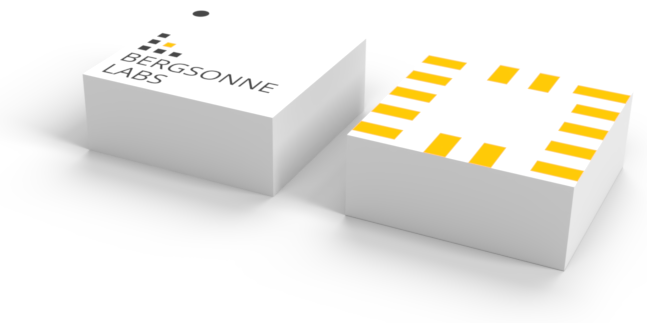
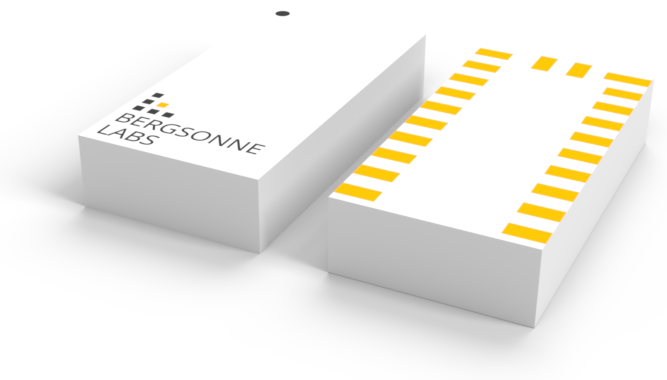
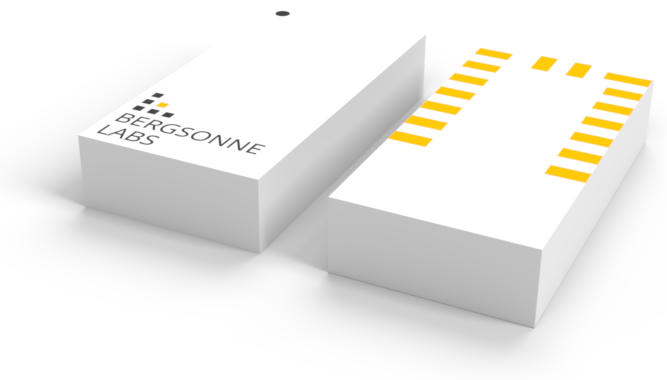
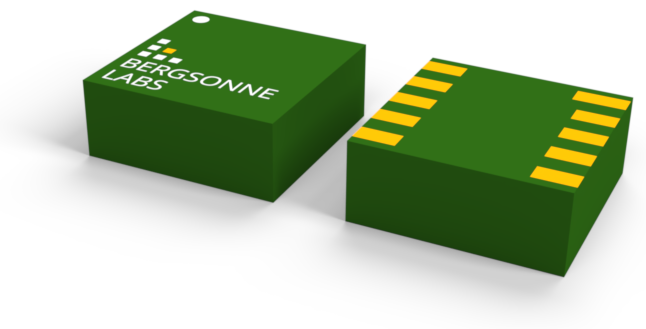
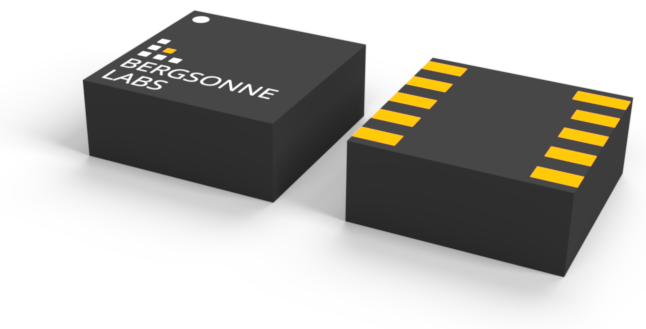
Tiles compartmentalize the complexity of modern electrical subsystems into fully-integrated, plug-and-play microelectronic modules — carrying a design from first concept all the way through mass production on the very same hardware.

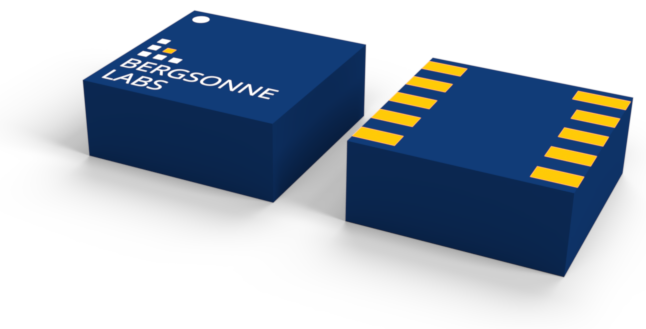
A single tile balanced on a fingertip
4×4mm
T44 footprint
10pads
surface-mount
0.8mm
pad pitch
1–2mm
profile
From idea to production

Build without starting from scratch

Think of Tiles as a library of pre-built, snap-together building blocks — each a complete, tested subsystem. Compress months of custom hardware work into days, on a platform that carries you from first prototype to full production.

  1. 01

    Select

    Choose from 75+ modules spanning compute, sensing, connectivity, power, and actuation.

  2. 02

    Assemble

    Combine modules into a configuration that matches your product — no custom PCB at the prototype stage.

  3. 03

    Ship

    Move to production on the same modules your prototype used — no redesign, no requalification, no surprises.

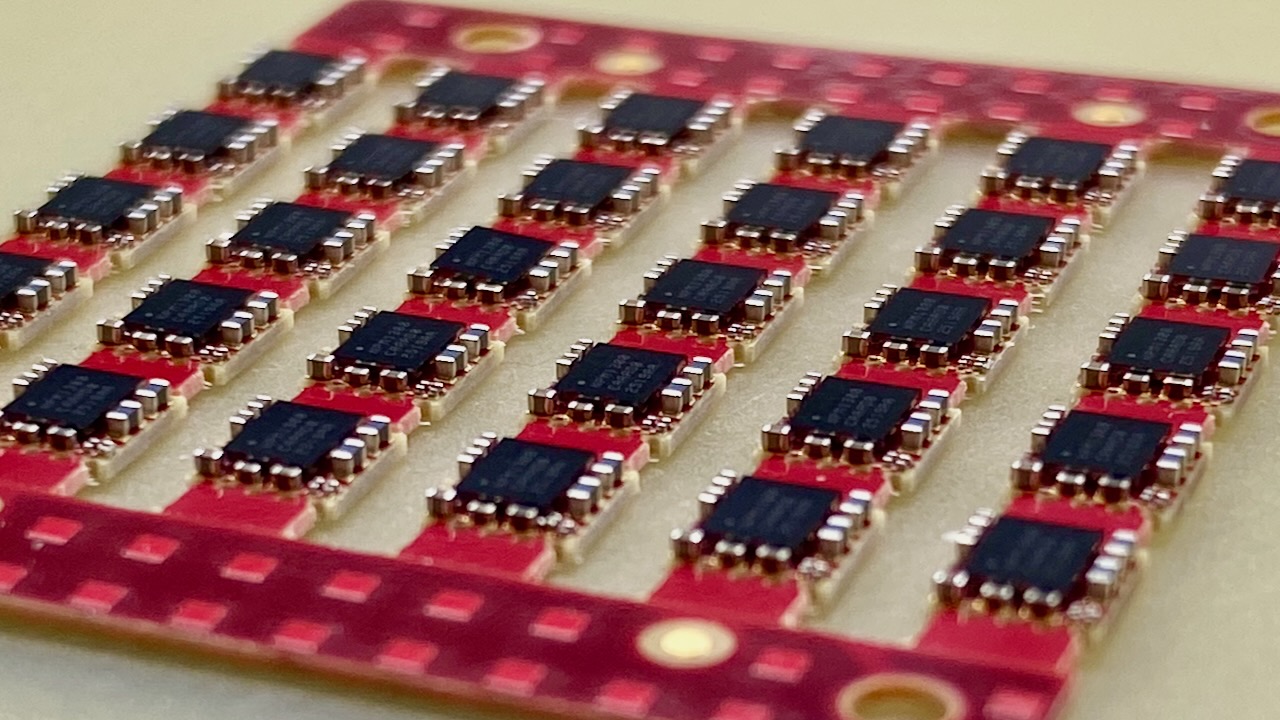
A panel of tiles, close up

Standardized intelligent modules

As semiconductors grow more capable and more miniature, laying out, fabricating, assembling, and packaging embedded electronics gets harder every year. Tiles absorb that complexity into a single standardized module — so the hard parts ship once, inside the tile.

A sketch of a tile-based system

From concept to mass production

Modularizing at the subsystem level lets a design move from first prototype to full production on the same hardware — no redesign, no PCB respins. Engineers spend their time on product and experience instead of bottlenecks, fab rounds, and cost.

Under the hood

Fundamentals & resources

Standard dimensions

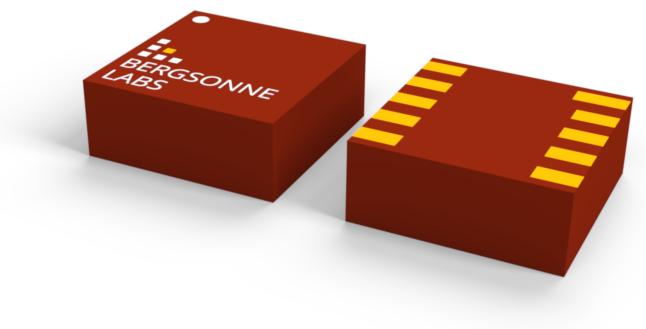
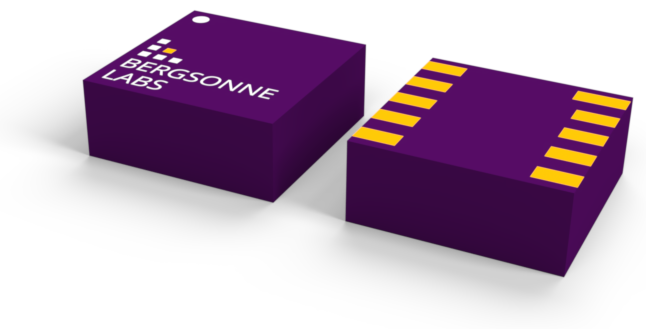
Most tiles conform to a 4.0 × 4.0 mm T44 package — ten surface-mount pads down the left and right edges at a 0.8 mm pitch, epoxy-encapsulated, 1.0–2.0 mm tall. Orientation reads from the marking dot above or the extended first pad below.

T44 package drawing — 4.0 × 4.0 mm, 10 pads, 0.8 mm pitch

Common pads

Every T44 tile shares a power layout — GND on pad 1, supply on pad 10 — and most speak standard I3C with clock on pad 4 and data on pad 5. The remaining six pads are tile-specific: SPI, analog, interrupts, and GPIO.

T44 common pad assignment

Rapid prototyping

A solderless tile-to-breadboard adapter brings true plug-and-play to the bench. Pads arranged left-to-right make wiring multiple tiles into larger systems fast and intuitive.

Solderless tile-to-breadboard adapter

Simplified assembly & reuse

Solder, conductive adhesive, your call. With 0.4 mm traces and all the complexity inside the tile, simple single-sided carrier boards can be auto-generated and printed, laser-etched, or fabbed on cheap equipment — then reversed for effortless reuse.

Tiles assembled onto a flexible carrier board
Open source

Platform-agnostic drivers

Drivers handle register configuration, data parsing, and protocol negotiation, while a thin Platform Abstraction Layer bridges tiles to your processor. Ready for STM32-based Core tiles today; ESP32, Arduino, and nRF ports are next.

// tile_i2c.h
typedef struct tile_i2c_cfg {
uint8_t addr;
uint32_t speed_hz;
} tile_i2c_cfg_t;
/** Initialize the bus */
int tile_i2c_init(const tile_i2c_cfg_t *cfg);
int tile_i2c_read(uint8_t reg, uint8_t *buf, size_t len);
Build it

Design in Studio

Compose tile systems, wire up behavior, and simulate firmware right in the browser — then build a binary and flash it. No toolchain to install, no board to wait for.

studio
Open Studio
A tile-based reference design
Reference designs

See what tiles can become

From a compact haptic ring to multi-sensor wearables — fully documented builds, and ready-made starting points for your own projects.

Explore designs